Have you ever wondered how your electric toothbrush or the motor in your drone works? Chances are, they use a technique called Pulse Width Modulation (PWM). PWM is a clever way of controlling the amount of power delivered to a load by rapidly switching it on and off. This technique has a wide range of applications, from simple LED dimming to more complex motor control. In this article, we’ll dive deep into the world of PWM and explore its inner workings, applications, and how you can implement it in your own projects. So, fasten your seatbelts, and let’s get started!
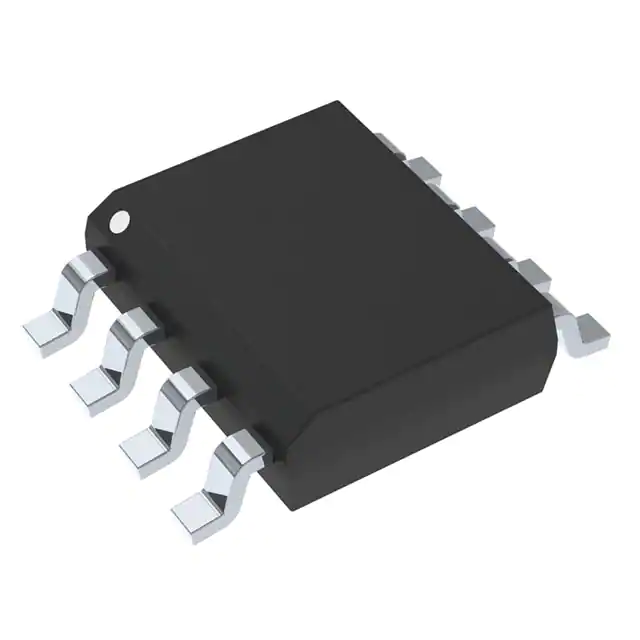
Image Source:https://www.digikey.tw/
In this article, we will explore pulse width modulation (PWM) in depth. PWM is a widely used technique for controlling the power delivered to electronic devices. It involves varying the duty cycle of a periodic signal to control the average power delivered to a load.
The first section will cover the basics of PWM, including how it works, its advantages, and its applications. We will then dive deeper into the theory behind PWM and discuss its mathematical representation, which involves calculating the pulse width, frequency, and duty cycle of the signal.
Next, we will explore different types of PWM, including single-ended PWM, push-pull PWM, and bridge PWM. Each type has its own advantages and disadvantages, and we will examine them in detail.
We will also discuss the implementation of PWM using microcontrollers and digital signal processors (DSPs). We will cover the hardware and software requirements, including the use of timers, counters, and interrupts. Additionally, we will provide sample code and circuit diagrams to help readers get started with PWM implementation.
Finally, we will discuss some advanced PWM techniques, including phase-shifted PWM, frequency modulation (FM) PWM, and space vector PWM. These techniques are used to improve the efficiency and performance of PWM-based systems and are commonly used in motor control applications.
By the end of this article, readers will have a comprehensive understanding of PWM and its applications. They will also be equipped with the knowledge and tools to implement PWM in their own projects and designs.
The principle of PWM: Pulse Width Modulation (PWM)
PWM is a technique widely used in electronics and engineering for controlling the amount of power delivered to a load, such as a motor or LED, by varying the duty cycle of a periodic waveform. In simple terms, PWM involves turning a signal on and off at a certain frequency and with a variable duty cycle, where the duty cycle represents the proportion of time that the signal is “on” during each cycle.
The advantages of using PWM are numerous, including increased efficiency, precise control, and reduced heat dissipation. PWM is widely used in various applications, such as motor control, LED dimming, audio signal generation, and power conversion.
In this article, we will explore the theory behind PWM, its applications, and how it can be implemented using different electronic components and microcontrollers. We’ll also delve into some common issues and techniques used to overcome them in PWM circuits.
So let’s buckle up and take a deep dive into the world of PWM!
Explore some of its different types
First up, we have single-ended PWM, which is the most basic form of PWM. In this type of PWM, a single switch (usually a transistor) is used to control the power delivered to the load. The switch is turned on and off at a frequency that is much higher than the frequency of the signal being controlled. The duty cycle, or the percentage of time the switch is turned on during each cycle, determines the average power delivered to the load.
Next, we have push-pull PWM, which is a type of PWM that uses two switches (usually transistors) to control the power delivered to the load. One switch is used to turn the power on, while the other switch is used to turn it off. This allows for more efficient use of power, as the switches can be controlled in a complementary manner to ensure that there is always a path for current to flow to the load.
Finally, there is bridge PWM, which is a more complex form of PWM that is commonly used in applications such as motor control. In this type of PWM, four switches (usually transistors) are used to control the power delivered to the load. By using a combination of on and off switches, the direction and amount of current flowing to the load can be controlled.
Each of these different types of PWM has its own unique advantages and disadvantages and is suited for different types of applications. By understanding the different types of PWM, engineers can choose the best option for their specific needs and optimize the performance of their systems.
Implementation of PWM
Implementation of PWM using microcontrollers and digital signal processors (DSPs) has become increasingly popular due to their high level of control and flexibility. Microcontrollers and DSPs are equipped with hardware that can generate PWM signals with varying duty cycles and frequencies.
In microcontroller-based systems, PWM signals can be generated using timers that are integrated into the microcontroller. These timers can be programmed to generate PWM signals of varying frequencies and duty cycles. The microcontroller can also be programmed to adjust the duty cycle of the PWM signal on the fly, allowing for real-time control of the output signal.
DSPs are specialized microprocessors designed specifically for digital signal-processing applications. They offer high processing power and advanced functionality for generating complex waveforms, making them ideal for implementing PWM. DSPs can generate PWM signals with very high accuracy and resolution, which is critical in many applications.
Both microcontrollers and DSPs offer a wide range of features and capabilities for implementing PWM. The choice between the two depends on the specific requirements of the application, such as the required processing power, precision, and complexity of the waveform. In either case, PWM implementation using microcontrollers and DSPs has become an integral part of many modern control systems.
Advanced PWM techniques
Advanced PWM Techniques: Phase-Shifted PWM, Frequency Modulation PWM, and Space Vector PWM
Pulse width modulation (PWM) is a commonly used technique to control the power delivered to electrical devices. While basic PWM can be effective in many applications, more advanced PWM techniques can provide even greater control and efficiency. In this article, we’ll explore three advanced PWM techniques: phase-shifted PWM, frequency modulation (FM) PWM, and space vector PWM.
Phase-Shifted PWM
Phase-shifted PWM is a technique where multiple PWM signals are generated with different phase shifts between them. The phase shift between the signals determines the amount of time that each signal is active. By carefully selecting the phase shifts, it’s possible to achieve a smoother output waveform with less harmonic distortion. This can be especially useful in applications where high-quality output waveforms are required, such as audio amplifiers.
Frequency Modulation PWM
Frequency modulation (FM) PWM is a technique where the frequency of the PWM signal is modulated instead of the duty cycle. By modulating the frequency, it’s possible to achieve more precise control of the output waveform. This can be useful in applications where the load on the system is constantly changing, such as in a motor control system. By adjusting the frequency of the PWM signal, it’s possible to maintain a constant average voltage or current output.
Space Vector PWM
Space vector PWM is a technique that can be used to control three-phase motors. It works by dividing the three-phase output into six segments, or “vectors,” and applying a PWM signal to each vector. By varying the amplitude and timing of the PWM signals, it’s possible to achieve a smooth output waveform with very low harmonic distortion. This can be especially useful in applications where high efficiency and low noise are required, such as in electric vehicle motor controllers.
Implementing these advanced PWM techniques requires more complex circuitry and software than basic PWM. However, the benefits they provide in terms of control, efficiency, and waveform quality can make them well worth the effort. By understanding these techniques and how they can be applied, engineers can design more advanced and sophisticated systems that meet the demanding requirements of modern applications.
Conclusion
In conclusion, pulse width modulation (PWM) is a powerful and versatile technique used in a wide range of applications, from controlling the brightness of LEDs to regulating the speed of motors. PWM offers several advantages over traditional analog control methods, such as improved efficiency, accuracy, and flexibility. There are different types of PWM, including single-ended PWM, push-pull PWM, and bridge PWM, each with its own unique features and benefits. Furthermore, advanced PWM techniques such as phase-shifted PWM, frequency modulation (FM) PWM, and space vector PWM provide even greater control and precision. With the widespread availability of microcontrollers and digital signal processors (DSPs), implementing PWM has become easier than ever. By understanding the principles and techniques of PWM, engineers, and hobbyists can design and build advanced control systems for a variety of applications.
Reference
- “Pulse Width Modulation for Power Converters: Principles and Practice” by Texas Instruments: https://www.ti.com/lit/an/spraaj4a/spraaj4a.pdf
- “Advanced Pulse Width Modulation Techniques” by ON Semiconductor: https://www.onsemi.com/pub/Collateral/AND9085-D.PDF
- “Introduction to Digital Signal Processing and PWM Control Techniques” by Analog Devices: https://www.analog.com/media/en/training-seminars/tutorials/MT-086.pdf
English Version
Have you ever wondered how your electric toothbrush or the motor in your drone works? Chances are, they use a technique called Pulse Width Modulation (PWM). PWM is a clever way of controlling the amount of power delivered to a load by rapidly switching it on and off. This technique has a wide range of applications, from simple LED dimming to more complex motor control. In this article, we’ll dive deep into the world of PWM and explore its inner workings, applications, and how you can implement it in your own projects. So, fasten your seatbelts, and let’s get started!
Image Source:https://www.digikey.tw/
In this article, we will explore pulse width modulation (PWM) in depth. PWM is a widely used technique for controlling the power delivered to electronic devices. It involves varying the duty cycle of a periodic signal to control the average power delivered to a load.
The first section will cover the basics of PWM, including how it works, its advantages, and its applications. We will then dive deeper into the theory behind PWM and discuss its mathematical representation, which involves calculating the pulse width, frequency, and duty cycle of the signal.
Next, we will explore different types of PWM, including single-ended PWM, push-pull PWM, and bridge PWM. Each type has its own advantages and disadvantages, and we will examine them in detail.
We will also discuss the implementation of PWM using microcontrollers and digital signal processors (DSPs). We will cover the hardware and software requirements, including the use of timers, counters, and interrupts. Additionally, we will provide sample code and circuit diagrams to help readers get started with PWM implementation.
Finally, we will discuss some advanced PWM techniques, including phase-shifted PWM, frequency modulation (FM) PWM, and space vector PWM. These techniques are used to improve the efficiency and performance of PWM-based systems and are commonly used in motor control applications.
By the end of this article, readers will have a comprehensive understanding of PWM and its applications. They will also be equipped with the knowledge and tools to implement PWM in their own projects and designs.
The principle of PWM: Pulse Width Modulation (PWM)
PWM is a technique widely used in electronics and engineering for controlling the amount of power delivered to a load, such as a motor or LED, by varying the duty cycle of a periodic waveform. In simple terms, PWM involves turning a signal on and off at a certain frequency and with a variable duty cycle, where the duty cycle represents the proportion of time that the signal is “on” during each cycle.
The advantages of using PWM are numerous, including increased efficiency, precise control, and reduced heat dissipation. PWM is widely used in various applications, such as motor control, LED dimming, audio signal generation, and power conversion.
In this article, we will explore the theory behind PWM, its applications, and how it can be implemented using different electronic components and microcontrollers. We’ll also delve into some common issues and techniques used to overcome them in PWM circuits.
So let’s buckle up and take a deep dive into the world of PWM!
Explore some of its different types
First up, we have single-ended PWM, which is the most basic form of PWM. In this type of PWM, a single switch (usually a transistor) is used to control the power delivered to the load. The switch is turned on and off at a frequency that is much higher than the frequency of the signal being controlled. The duty cycle, or the percentage of time the switch is turned on during each cycle, determines the average power delivered to the load.
Next, we have push-pull PWM, which is a type of PWM that uses two switches (usually transistors) to control the power delivered to the load. One switch is used to turn the power on, while the other switch is used to turn it off. This allows for more efficient use of power, as the switches can be controlled in a complementary manner to ensure that there is always a path for current to flow to the load.
Finally, there is bridge PWM, which is a more complex form of PWM that is commonly used in applications such as motor control. In this type of PWM, four switches (usually transistors) are used to control the power delivered to the load. By using a combination of on and off switches, the direction and amount of current flowing to the load can be controlled.
Each of these different types of PWM has its own unique advantages and disadvantages and is suited for different types of applications. By understanding the different types of PWM, engineers can choose the best option for their specific needs and optimize the performance of their systems.
Implementation of PWM
Implementation of PWM using microcontrollers and digital signal processors (DSPs) has become increasingly popular due to their high level of control and flexibility. Microcontrollers and DSPs are equipped with hardware that can generate PWM signals with varying duty cycles and frequencies.
In microcontroller-based systems, PWM signals can be generated using timers that are integrated into the microcontroller. These timers can be programmed to generate PWM signals of varying frequencies and duty cycles. The microcontroller can also be programmed to adjust the duty cycle of the PWM signal on the fly, allowing for real-time control of the output signal.
DSPs are specialized microprocessors designed specifically for digital signal-processing applications. They offer high processing power and advanced functionality for generating complex waveforms, making them ideal for implementing PWM. DSPs can generate PWM signals with very high accuracy and resolution, which is critical in many applications.
Both microcontrollers and DSPs offer a wide range of features and capabilities for implementing PWM. The choice between the two depends on the specific requirements of the application, such as the required processing power, precision, and complexity of the waveform. In either case, PWM implementation using microcontrollers and DSPs has become an integral part of many modern control systems.
Advanced PWM techniques
Advanced PWM Techniques: Phase-Shifted PWM, Frequency Modulation PWM, and Space Vector PWM
Pulse width modulation (PWM) is a commonly used technique to control the power delivered to electrical devices. While basic PWM can be effective in many applications, more advanced PWM techniques can provide even greater control and efficiency. In this article, we’ll explore three advanced PWM techniques: phase-shifted PWM, frequency modulation (FM) PWM, and space vector PWM.
Phase-Shifted PWM
Phase-shifted PWM is a technique where multiple PWM signals are generated with different phase shifts between them. The phase shift between the signals determines the amount of time that each signal is active. By carefully selecting the phase shifts, it’s possible to achieve a smoother output waveform with less harmonic distortion. This can be especially useful in applications where high-quality output waveforms are required, such as audio amplifiers.
Frequency Modulation PWM
Frequency modulation (FM) PWM is a technique where the frequency of the PWM signal is modulated instead of the duty cycle. By modulating the frequency, it’s possible to achieve more precise control of the output waveform. This can be useful in applications where the load on the system is constantly changing, such as in a motor control system. By adjusting the frequency of the PWM signal, it’s possible to maintain a constant average voltage or current output.
Space Vector PWM
Space vector PWM is a technique that can be used to control three-phase motors. It works by dividing the three-phase output into six segments, or “vectors,” and applying a PWM signal to each vector. By varying the amplitude and timing of the PWM signals, it’s possible to achieve a smooth output waveform with very low harmonic distortion. This can be especially useful in applications where high efficiency and low noise are required, such as in electric vehicle motor controllers.
Implementing these advanced PWM techniques requires more complex circuitry and software than basic PWM. However, the benefits they provide in terms of control, efficiency, and waveform quality can make them well worth the effort. By understanding these techniques and how they can be applied, engineers can design more advanced and sophisticated systems that meet the demanding requirements of modern applications.
Conclusion
In conclusion, pulse width modulation (PWM) is a powerful and versatile technique used in a wide range of applications, from controlling the brightness of LEDs to regulating the speed of motors. PWM offers several advantages over traditional analog control methods, such as improved efficiency, accuracy, and flexibility. There are different types of PWM, including single-ended PWM, push-pull PWM, and bridge PWM, each with its own unique features and benefits. Furthermore, advanced PWM techniques such as phase-shifted PWM, frequency modulation (FM) PWM, and space vector PWM provide even greater control and precision. With the widespread availability of microcontrollers and digital signal processors (DSPs), implementing PWM has become easier than ever. By understanding the principles and techniques of PWM, engineers, and hobbyists can design and build advanced control systems for a variety of applications.
Reference
- “Pulse Width Modulation for Power Converters: Principles and Practice” by Texas Instruments: https://www.ti.com/lit/an/spraaj4a/spraaj4a.pdf
- “Advanced Pulse Width Modulation Techniques” by ON Semiconductor: https://www.onsemi.com/pub/Collateral/AND9085-D.PDF
- “Introduction to Digital Signal Processing and PWM Control Techniques” by Analog Devices: https://www.analog.com/media/en/training-seminars/tutorials/MT-086.pdf
日本語版
電動歯ブラシやドローンのモーターがどのように動作するか疑問に思ったことはありませんか?おそらく、パルス幅変調(PWM)と呼ばれる技術が使われています。PWMは、負荷に供給される電力量を高速でオン・オフを切り替えることで制御する巧みな方法です。この技術は、単純なLEDの調光からより複雑なモーター制御まで、幅広い用途があります。この記事では、PWMの世界を深く掘り下げ、その内部動作、応用、そして自分のプロジェクトでの実装方法を探ります。それでは、シートベルトを締めて始めましょう!
画像出典:https://www.digikey.tw/
この記事では、パルス幅変調(PWM)について詳しく解説します。PWMは、電子デバイスに供給される電力を制御するために広く使用されている技術です。周期信号のデューティサイクルを変化させることで、負荷に供給される平均電力を制御します。
最初のセクションでは、PWMの基本(動作原理、利点、応用)について説明します。次に、PWMの背後にある理論をさらに深く掘り下げ、パルス幅、周波数、デューティサイクルの計算を含む数学的表現について説明します。
次に、シングルエンドPWM、プッシュプルPWM、ブリッジPWMなど、さまざまなタイプのPWMを探ります。各タイプにはそれぞれ長所と短所があり、詳細に検討します。
また、マイクロコントローラーやデジタルシグナルプロセッサ(DSP)を使用したPWMの実装についても説明します。タイマー、カウンター、割り込みの使用を含む、ハードウェアとソフトウェアの要件について説明します。さらに、読者がPWMの実装を始められるよう、サンプルコードと回路図を提供します。
最後に、位相シフトPWM、周波数変調(FM)PWM、空間ベクトルPWMなどの高度なPWM技術について説明します。これらの技術は、PWMベースのシステムの効率と性能を向上させるために使用され、モーター制御のアプリケーションで一般的に使用されています。
この記事を読み終える頃には、読者はPWMとその応用について包括的な理解を得ることができます。また、自分のプロジェクトや設計にPWMを実装するための知識とツールも身につけることができます。
PWMの原理:パルス幅変調(PWM)
PWMは、モーターやLEDなどの負荷に供給される電力量を、周期波形のデューティサイクルを変化させることで制御するために、エレクトロニクスや工学で広く使用されている技術です。簡単に言えば、PWMは一定の周波数と可変のデューティサイクルで信号をオン・オフすることを含み、デューティサイクルは各サイクル中に信号が「オン」になっている時間の割合を表します。
PWMを使用する利点は数多くあり、効率の向上、精密な制御、発熱の低減などがあります。PWMは、モーター制御、LED調光、オーディオ信号生成、電力変換など、さまざまな用途で広く使用されています。
この記事では、PWMの背後にある理論、その応用、そしてさまざまな電子部品やマイクロコントローラーを使用して実装する方法を探ります。また、PWM回路で一般的な問題とそれを克服するために使用される技術についても掘り下げます。
それでは、PWMの世界を深く掘り下げてみましょう!
さまざまなタイプの探求
まず、シングルエンドPWMがあります。これはPWMの最も基本的な形態です。このタイプのPWMでは、単一のスイッチ(通常はトランジスタ)を使用して負荷に供給される電力を制御します。スイッチは、制御される信号の周波数よりもはるかに高い周波数でオン・オフされます。デューティサイクル、つまり各サイクル中にスイッチがオンになっている時間の割合が、負荷に供給される平均電力を決定します。
次に、プッシュプルPWMがあります。これは、2つのスイッチ(通常はトランジスタ)を使用して負荷に供給される電力を制御するタイプのPWMです。1つのスイッチは電力をオンにするために使用され、もう1つのスイッチはオフにするために使用されます。これにより、スイッチを相補的に制御して、常に負荷に電流が流れる経路を確保できるため、より効率的な電力使用が可能になります。
最後に、ブリッジPWMがあります。これは、モーター制御などのアプリケーションで一般的に使用される、より複雑な形態のPWMです。このタイプのPWMでは、4つのスイッチ(通常はトランジスタ)を使用して負荷に供給される電力を制御します。オンとオフのスイッチの組み合わせを使用することで、負荷に流れる電流の方向と量を制御できます。
これらのさまざまなタイプのPWMにはそれぞれ独自の長所と短所があり、さまざまなタイプのアプリケーションに適しています。さまざまなタイプのPWMを理解することで、エンジニアは特定のニーズに最適なオプションを選択し、システムの性能を最適化できます。
PWMの実装
マイクロコントローラーやデジタルシグナルプロセッサ(DSP)を使用したPWMの実装は、その高い制御レベルと柔軟性により、ますます普及しています。マイクロコントローラーとDSPには、さまざまなデューティサイクルと周波数のPWM信号を生成できるハードウェアが搭載されています。
マイクロコントローラーベースのシステムでは、マイクロコントローラーに統合されたタイマーを使用してPWM信号を生成できます。これらのタイマーは、さまざまな周波数とデューティサイクルのPWM信号を生成するようにプログラムできます。マイクロコントローラーは、PWM信号のデューティサイクルをリアルタイムで調整するようにプログラムすることもでき、出力信号のリアルタイム制御が可能になります。
DSPは、デジタル信号処理アプリケーション専用に設計された特殊なマイクロプロセッサです。複雑な波形を生成するための高い処理能力と高度な機能を提供し、PWMの実装に最適です。DSPは非常に高い精度と分解能でPWM信号を生成でき、多くのアプリケーションで重要です。
マイクロコントローラーとDSPの両方が、PWMを実装するための幅広い機能と性能を提供します。2つの選択は、必要な処理能力、精度、波形の複雑さなど、アプリケーションの特定の要件によって異なります。いずれの場合も、マイクロコントローラーとDSPを使用したPWMの実装は、多くの現代の制御システムの不可欠な部分となっています。
高度なPWM技術
高度なPWM技術:位相シフトPWM、周波数変調PWM、空間ベクトルPWM
パルス幅変調(PWM)は、電気デバイスに供給される電力を制御するために一般的に使用される技術です。基本的なPWMは多くのアプリケーションで効果的ですが、より高度なPWM技術はさらに優れた制御と効率を提供できます。この記事では、3つの高度なPWM技術(位相シフトPWM、周波数変調(FM)PWM、空間ベクトルPWM)を探ります。
位相シフトPWM
位相シフトPWMは、異なる位相シフトを持つ複数のPWM信号を生成する技術です。信号間の位相シフトにより、各信号がアクティブになる時間が決まります。位相シフトを慎重に選択することで、高調波歪みの少ないよりスムーズな出力波形を実現できます。これは、オーディオアンプなど、高品質な出力波形が求められるアプリケーションで特に有用です。
周波数変調PWM
周波数変調(FM)PWMは、デューティサイクルの代わりにPWM信号の周波数を変調する技術です。周波数を変調することで、出力波形のより精密な制御が可能になります。これは、モーター制御システムなど、システムの負荷が常に変化するアプリケーションで有用です。PWM信号の周波数を調整することで、一定の平均電圧または電流出力を維持できます。
空間ベクトルPWM
空間ベクトルPWMは、三相モーターを制御するために使用できる技術です。三相出力を6つのセグメント(「ベクトル」)に分割し、各ベクトルにPWM信号を適用することで動作します。PWM信号の振幅とタイミングを変化させることで、非常に低い高調波歪みのスムーズな出力波形を実現できます。これは、電気自動車のモーターコントローラーなど、高効率と低ノイズが求められるアプリケーションで特に有用です。
これらの高度なPWM技術の実装には、基本的なPWMよりも複雑な回路とソフトウェアが必要です。しかし、制御、効率、波形品質の面で提供される利点は、その努力に十分値します。これらの技術とその適用方法を理解することで、エンジニアは現代のアプリケーションの厳しい要件を満たす、より高度で洗練されたシステムを設計できます。
結論
結論として、パルス幅変調(PWM)は、LEDの明るさの制御からモーターの速度調整まで、幅広いアプリケーションで使用される強力で多用途な技術です。PWMは、効率の向上、精度、柔軟性など、従来のアナログ制御方式に比べていくつかの利点を提供します。シングルエンドPWM、プッシュプルPWM、ブリッジPWMなど、さまざまなタイプのPWMがあり、それぞれに独自の特徴と利点があります。さらに、位相シフトPWM、周波数変調(FM)PWM、空間ベクトルPWMなどの高度なPWM技術は、さらに優れた制御と精度を提供します。マイクロコントローラーやデジタルシグナルプロセッサ(DSP)が広く利用可能になったことで、PWMの実装はこれまで以上に容易になりました。PWMの原理と技術を理解することで、エンジニアや愛好家はさまざまなアプリケーション向けの高度な制御システムを設計・構築できます。
参考文献
- “Pulse Width Modulation for Power Converters: Principles and Practice” by Texas Instruments: https://www.ti.com/lit/an/spraaj4a/spraaj4a.pdf
- “Advanced Pulse Width Modulation Techniques” by ON Semiconductor: https://www.onsemi.com/pub/Collateral/AND9085-D.PDF
- “Introduction to Digital Signal Processing and PWM Control Techniques” by Analog Devices: https://www.analog.com/media/en/training-seminars/tutorials/MT-086.pdf