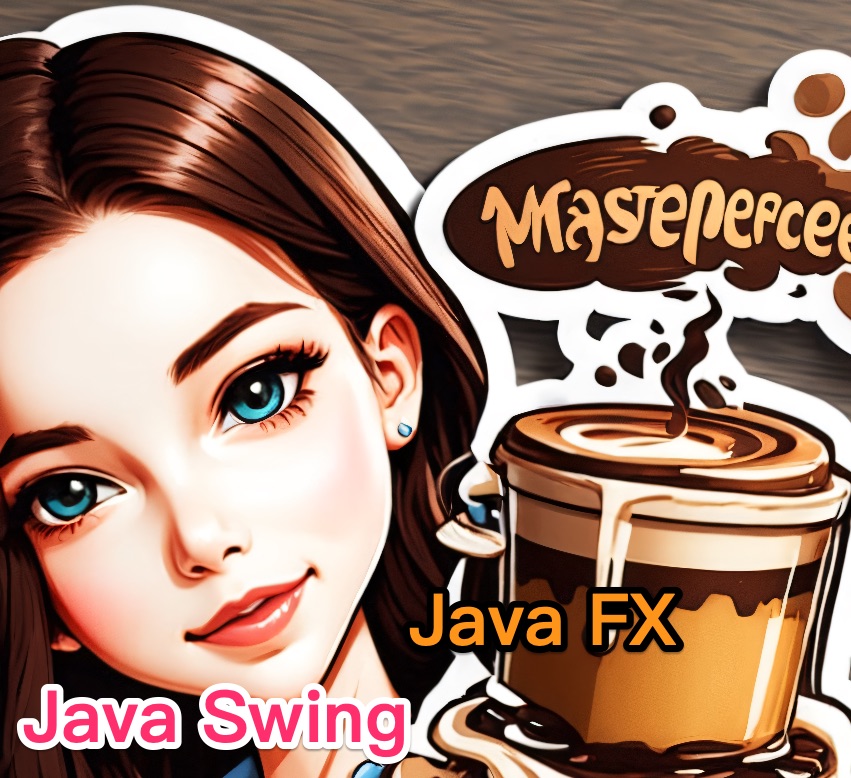
Java Swing and JavaFX are two popular GUI libraries for Java developers. Both libraries provide a rich set of components and features for creating graphical user interfaces (GUIs). However, there are some key differences between the two libraries.
Java Swing
Java Swing is the older of the two libraries, having been introduced in Java 1.2. It is based on the AWT (Abstract Window Toolkit), which is a low-level API for creating GUIs. Swing provides a more object-oriented approach to GUI development than AWT, and it offers a wider range of components and features.
JavaFX
JavaFX is a newer GUI library that was introduced in Java 7. It is based on a different rendering engine than Swing, and it offers a more modern and visually appealing look and feel. JavaFX also provides a number of features that are not available in Swing, such as support for 3D graphics and animations.
Comparison of Java Swing and JavaFX
The following table compares some of the key features of Java Swing and JavaFX:
| Feature | Java Swing | JavaFX |
| Rendering engine | AWT | JavaFX Scene Graph |
| Look and feel | Traditional | Modern and visually appealing |
| Component set | Rich set of components | Rich set of components, including support for 3D graphics and animations |
| Platform support | Windows, Mac OS X, Linux | Windows, Mac OS X, Linux, iOS, Android |
| Learning curve | Easier to learn | Steeper learning curve |
Which library should you use?
The choice of which library to use depends on your specific needs. If you need a library that is easy to learn and provides a traditional look and feel, then Java Swing is a good option. If you need a library that offers a more modern look and feel and support for 3D graphics and animations, then JavaFX is a better choice.
Conclusion
Java Swing and JavaFX are both powerful GUI libraries for Java developers. The choice of which library to use depends on your specific needs.
English Version
Java Swing and JavaFX are two popular GUI libraries for Java developers. Both libraries provide a rich set of components and features for creating graphical user interfaces (GUIs). However, there are some key differences between the two libraries.
Java Swing
Java Swing is the older of the two libraries, having been introduced in Java 1.2. It is based on the AWT (Abstract Window Toolkit), which is a low-level API for creating GUIs. Swing provides a more object-oriented approach to GUI development than AWT, and it offers a wider range of components and features.
JavaFX
JavaFX is a newer GUI library that was introduced in Java 7. It is based on a different rendering engine than Swing, and it offers a more modern and visually appealing look and feel. JavaFX also provides a number of features that are not available in Swing, such as support for 3D graphics and animations.
Comparison of Java Swing and JavaFX
The following table compares some of the key features of Java Swing and JavaFX:
| Feature | Java Swing | JavaFX |
| Rendering engine | AWT | JavaFX Scene Graph |
| Look and feel | Traditional | Modern and visually appealing |
| Component set | Rich set of components | Rich set of components, including support for 3D graphics and animations |
| Platform support | Windows, Mac OS X, Linux | Windows, Mac OS X, Linux, iOS, Android |
| Learning curve | Easier to learn | Steeper learning curve |
Which library should you use?
The choice of which library to use depends on your specific needs. If you need a library that is easy to learn and provides a traditional look and feel, then Java Swing is a good option. If you need a library that offers a more modern look and feel and support for 3D graphics and animations, then JavaFX is a better choice.
Conclusion
Java Swing and JavaFX are both powerful GUI libraries for Java developers. The choice of which library to use depends on your specific needs.
日本語版
Java SwingとJavaFXは、Java開発者に人気のある2つのGUIライブラリです。どちらのライブラリも、グラフィカルユーザーインターフェース(GUI)を作成するための豊富なコンポーネントと機能を提供します。しかし、2つのライブラリにはいくつかの重要な違いがあります。
Java Swing
Java Swingは2つのライブラリの中で古い方で、Java 1.2で導入されました。GUI作成のための低レベルAPIであるAWT(Abstract Window Toolkit)に基づいています。SwingはAWTよりもオブジェクト指向的なGUI開発アプローチを提供し、より幅広いコンポーネントと機能を提供します。
JavaFX
JavaFXはJava 7で導入された新しいGUIライブラリです。Swingとは異なるレンダリングエンジンに基づいており、より現代的で視覚的に魅力的なルック&フィールを提供します。JavaFXはまた、3Dグラフィックスやアニメーションのサポートなど、Swingでは利用できない多くの機能を提供します。
Java SwingとJavaFXの比較
以下の表は、Java SwingとJavaFXの主要な機能を比較したものです:
| 機能 | Java Swing | JavaFX |
| レンダリングエンジン | AWT | JavaFX Scene Graph |
| ルック&フィール | 伝統的 | 現代的で視覚的に魅力的 |
| コンポーネントセット | 豊富なコンポーネント | 3Dグラフィックスやアニメーションのサポートを含む豊富なコンポーネント |
| プラットフォームサポート | Windows、Mac OS X、Linux | Windows、Mac OS X、Linux、iOS、Android |
| 学習曲線 | 学習しやすい | 学習曲線がやや急 |
どちらのライブラリを使用すべきか?
どちらのライブラリを使用するかは、特定のニーズによって異なります。学習しやすく伝統的なルック&フィールを提供するライブラリが必要な場合は、Java Swingが良い選択肢です。より現代的なルック&フィールと3Dグラフィックスやアニメーションのサポートを提供するライブラリが必要な場合は、JavaFXがより良い選択です。
まとめ
Java SwingとJavaFXはどちらもJava開発者にとって強力なGUIライブラリです。どちらのライブラリを使用するかは、特定のニーズによって異なります。